The Problem · Zero Global Waste

The Problem

The world makes more waste than it knows what to do with.

Every year the pile grows. The places built to hold it are filling, leaking, and running out of room.

The scale

0.0Btonnes of municipal solid waste generated worldwide in 20231UNEP, 2024
0.0Btonnes a year expected by 2050 if nothing changes1UNEP, 2024
$0Bthe true annual cost of waste in 2020, once health and environmental damage are counted1UNEP, 2024

Landfills

Burying it does not make it go away.

A landfill is a hole in the ground with a deadline. As buried waste breaks down it releases methane, a greenhouse gas far more potent than carbon dioxide in the short term. The waste sector accounts for nearly 20% of the methane humans put into the atmosphere.2

What does not rise, sinks. Rainwater moves through the pile and carries chemicals down toward groundwater. Liners fail. Sites fill. And every closed landfill pushes the same problem to the next town over.
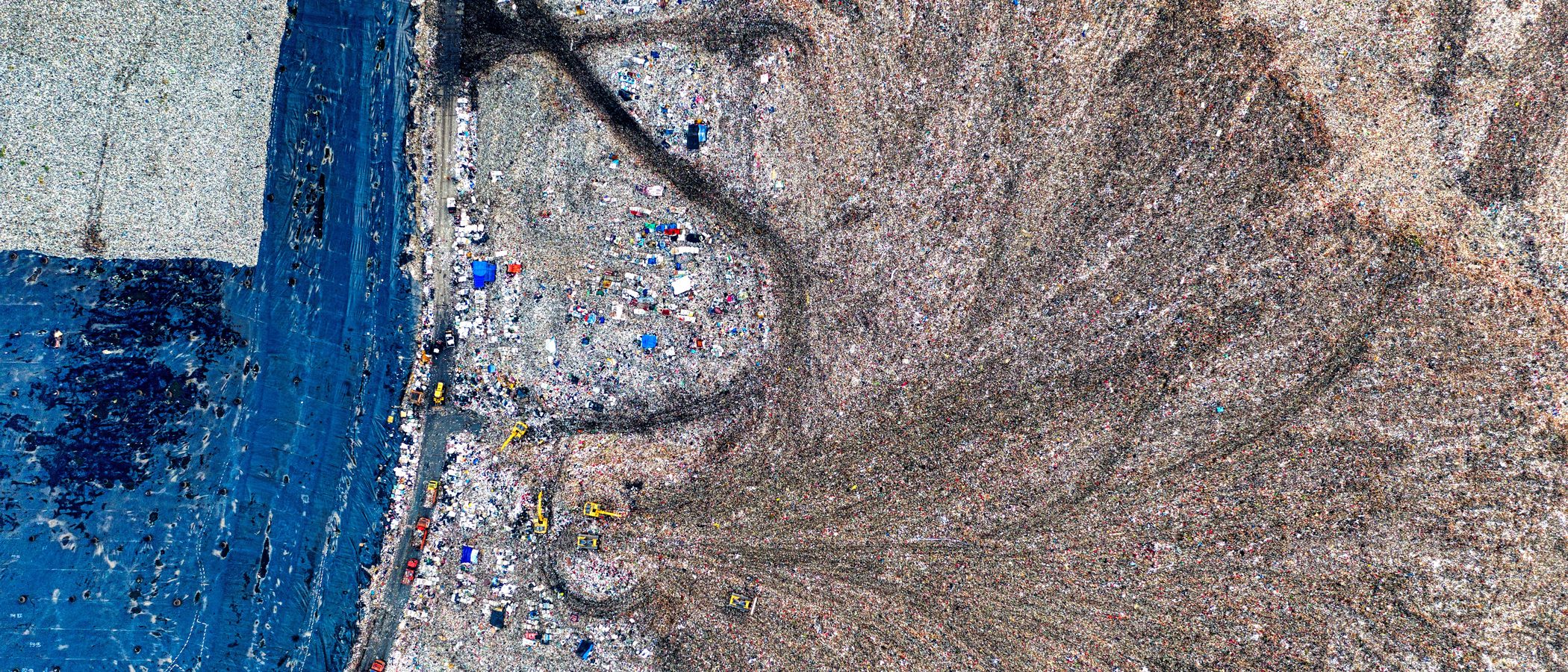
Aerial view of a landfill
Open landfillEvery landfill has a closing date. Very few regions have a plan for the day after.

Plastic pollution

Plastic never really leaves. It just gets smaller.

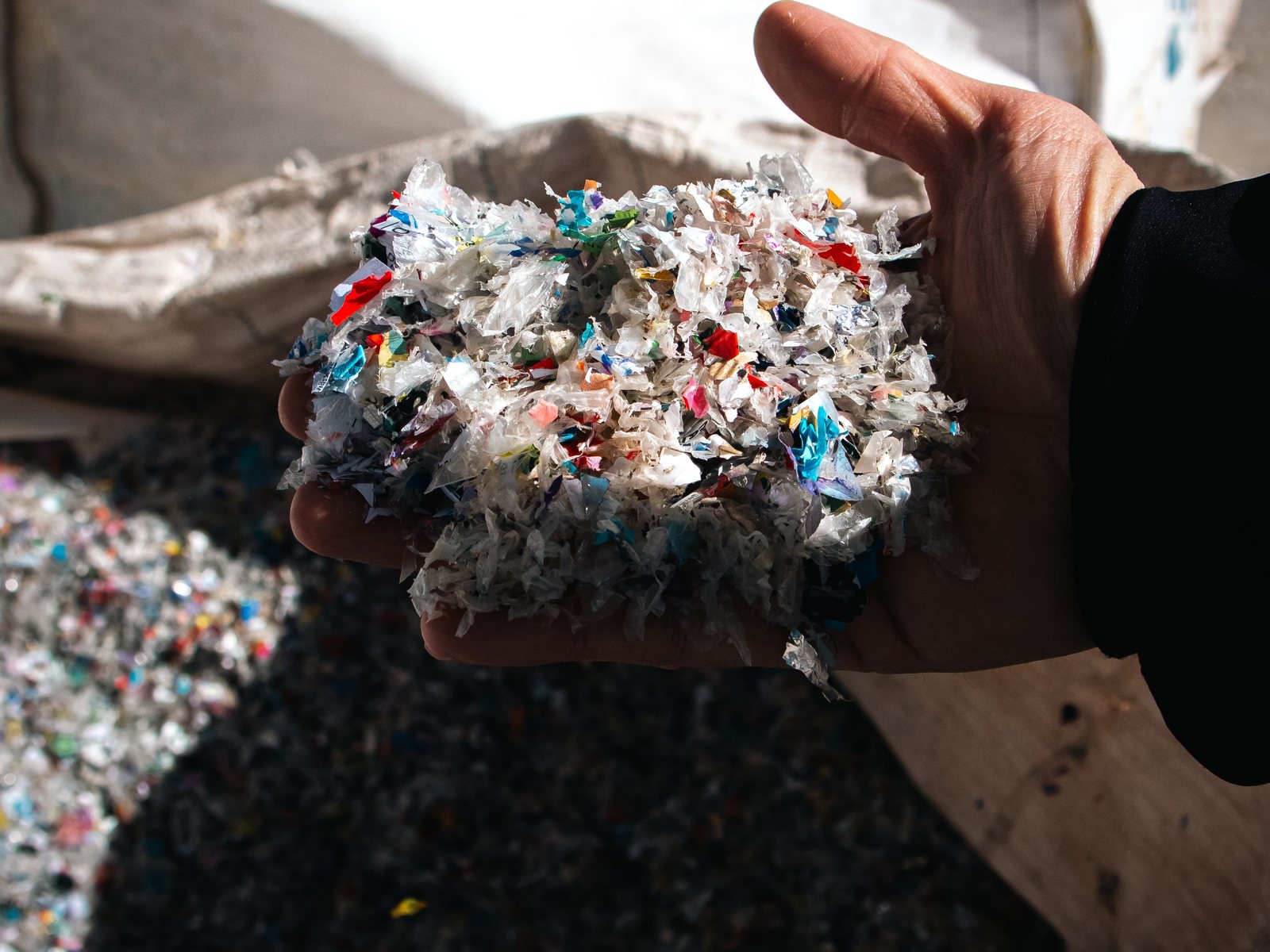
A handful of shredded mixed plastic fragments
FragmentsIt breaks up, not down.

It ends up in the ocean.

The world produces more than 400 million tonnes of plastic a year, and only about 9% of it is recycled.3 Between one and two million tonnes reach the ocean every year,4 where currents gather it into floating fields. The largest, in the North Pacific, is roughly twice the size of Texas.3

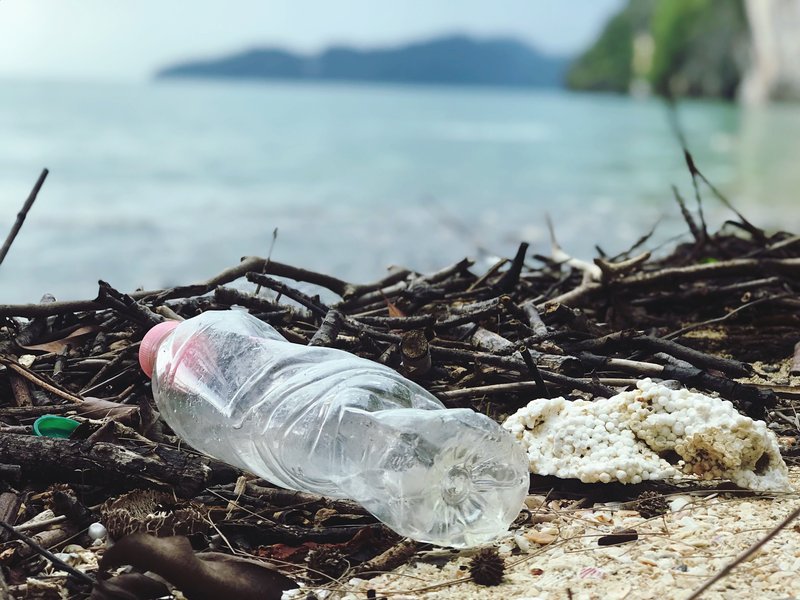
Sunlight and salt water do not break plastic down. They break it up. Bottles become fragments, fragments become microplastics, and microplastics become nanoplastics small enough to move through living tissue. They have now been found in seafood, drinking water, and human blood.

Ocean plastic is not a coastal problem. It is the visible end of a waste system that lost track of its material long before it reached the water.

0%of all plastic waste is actually recycled
0 of 7plastic types recycled at any real rate
2–3×before it's too degraded to use

Most of it was never recyclable to begin with.

The number inside the arrows on the bottom of a container is a resin code, not a promise. There are seven of them. In practice only two, PET (#1) and HDPE (#2), get recycled at any real rate, and even those come in around 21% and 10%. Everything else, #3 through #7, is reprocessed less than 5% of the time.5

The material itself is the limit. Each time plastic is melted and remolded its polymer chains shorten and contaminants stay locked in, so most plastic can only go around two or three times before it is too weak to use.6 It does not cycle. It steps down, and then it is waste.

Recycling was sold as the answer to plastic. For most of the plastic ever made, it was never on the table.

There is a way through.

Waste is a resource in the wrong place. Help us treat it like one.

Take the pledge
Sources
  1. UNEP, Global Waste Management Outlook 2024
  2. Global Methane Pledge, Waste Pathway
  3. The Ocean Cleanup, Ocean Plastic Pollution Explained
  4. Our World in Data, Plastic Pollution (OECD 2022; Meijer et al. 2021)
  5. Greenpeace USA, Circular Claims Fall Flat Again, 2022
  6. BBC Science Focus, Is it possible to recycle plastics an infinite number of times?